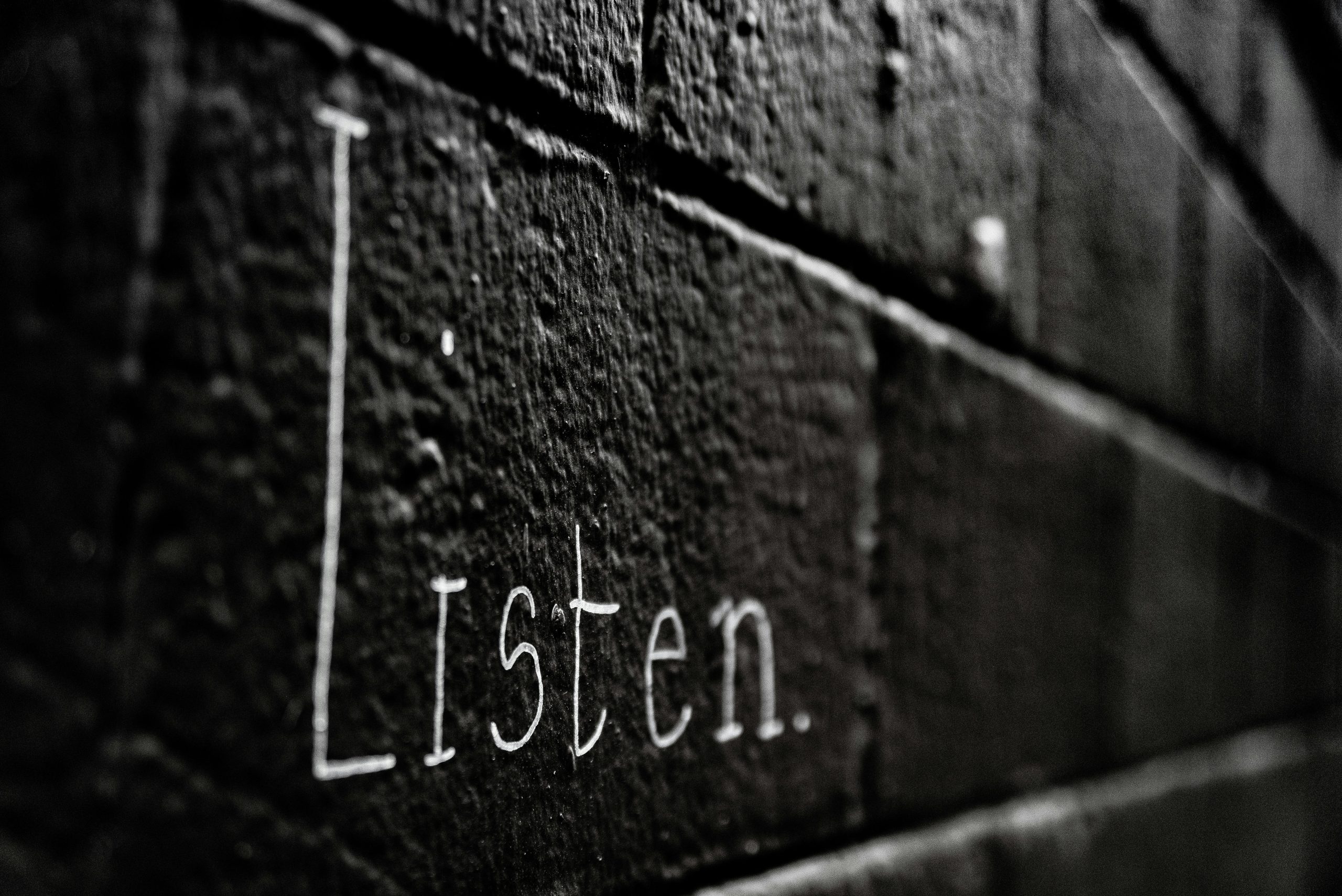
In the world of communications and creative business, words, tone, intent have a special resonance. We understand that how something is said can completely change what is heard.
In a dispute things rapidly become emotional. Positions harden. People stop listening to understand, they are listening to react.
The ultimate expression of this is “see you in court!”.
At this point the listening and understanding has definitely ended and a new set of risks has opened up. Even the strongest, most carefully prepared case has more than a slim chance of losing.
The courts know this and is one the main reasons that litigants are strongly advised to pursue mediation before issuing proceedings (and why judges punish litigants when awarding costs if they have refused to mediate).
In a dispute, how we hear one another is as important as the words themselves. Because when emotions are high and commercial stakes are significant, a genuine opportunity to really listen can be the difference between an entrenched conflict and a workable solution.
That’s exactly what I’ve done throughout my career in communications and I’m now applying it to commercial mediation.
Unlike litigation or arbitration mediation isn’t about judging or determining who’s right or wrong. It’s about creating the conditions for both parties to be heard, to explore what’s truly important to them, and to find a resolution that works — commercially, creatively, and personally.
A mediator doesn’t take sides or impose outcomes. Instead, they facilitate a structured process where each party has the opportunity to explain their perspective, understand the other’s, and work towards an agreement.
It’s not about “winning” the argument; it’s about rebuilding enough understanding to move forward.
For leaders in the UK’s communications and creative sectors this approach makes particular sense. These are not sectors where work can be easily defined. It is not about goods of services where one vendor can be compared to another without argument.
A public or prolonged legal battle can damage brands, distract teams and consume resources far beyond the financial. Relationships that took years to build can unravel in days.
Structured mediation offers a different path. It’s private, flexible, and focused on solutions rather than blame. It allows parties to retain control over both process and outcome, something you lose the moment a dispute enters the courtroom.
But perhaps the greatest value lies in what mediation restores: the ability to listen. A skilled mediator helps participants slow down, separate emotion from intention and recognise that behind every position lies an interest that may not be obvious. In that calmer space, conversations begin to shift from accusation to exploration, from frustration to problem-solving.
In my career I have been professionally trained to listen to understand rather react. It’s what makes great client relationships where you are an advisor rather than supplier.
Mediation simply applies that same principle to moments of conflict helping people de-escalate, find common ground and protect the relationships that underpin long-term success.